


In 2026, earning strong backlinks for a SaaS company is more difficult and more important than ever. Backlinko’s analysis of 11.8 million Google search results shows a strong correlation between backlinks and rankings: the #1 result had an average of 3.8x more backlinks than pages ranking in positions 2–10. That is exactly why link building for SaaS remains a core part of sustainable organic growth.


This guide breaks down 9 SaaS link building strategies that actually work — tactics we’ve tested across dozens of client projects. No fluff or theory-heavy explanations. Just practical methods tied to real traffic growth, stronger rankings, and better SEO performance.
- SaaS link building remains essential for visibility, trust, and search engine rankings in competitive niches.
- The most effective tactics combine guest posting, broken link building, linkable content, product integrations, and digital PR.
- Relevant backlinks and contextual backlinks from authoritative sites usually outperform large volumes of weak links.
- A solid link building strategy can keep driving valuable organic traffic and referral traffic long after links go live.
- In 2026, brand mentions, expert commentary, and digital PR strengthen the same trust signals that support visibility in AI-assisted search.
- The metrics that matter most are backlink quality, referring domains, linking-page traffic, and page visibility — all of which support sustainable growth.
What Is SaaS Link Building?
Link building for SaaS is the process of earning backlinks that help software companies improve search visibility and attract the right audience. Unlike traditional link building, SaaS link building is more competitive: SaaS brands compete not only with each other but also with media sites, review platforms, and aggregators that dominate the SERPs.
That is why mass outreach and generic directories rarely deliver results. What works better are strategic links from trusted industry publications, integration partners, and data-driven content that point to pages with real business value.
Why Is Link Building Important for SaaS Businesses?
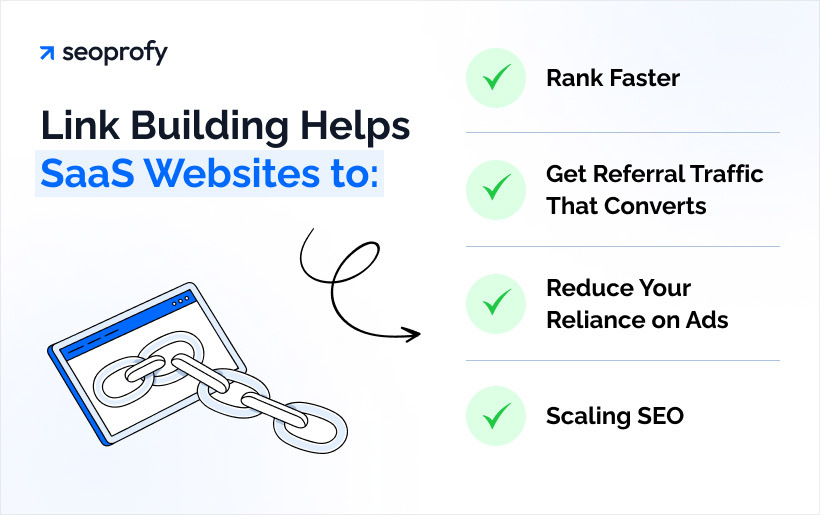
Without backlinks, even strong content struggles to rank. Google still treats links as one of its strongest trust signals, and in competitive SaaS niches, that gap can widen quickly. Here’s how that plays out in practice.
Backlinks Help You Rank Faster
Backlinks’ impact is especially visible in competitive SaaS niches. When the top positions are dominated by high-authority domains, even strong technical SEO for SaaS is often not enough to break into the top 3.
Two companies can publish equally strong content on the same topic, but the one actively building links is more likely to outperform the other in search. This pattern is also reflected in our SEO statistics roundup: top-ranking pages tend to have approximately 3.8 times as many backlinks as lower-ranking pages.
Strategic Placements Drive Referral Traffic That Converts
Referral traffic from niche platforms often converts better than organic search traffic. People who click those links are already comparing tools and are closer to making a decision. If your product integrates with another platform, even a single link in its docs or blog can send a steady flow of high-intent users — without ongoing spend.
Link Building Helps Reduce Your Reliance on Ads
Paid SaaS keywords can get expensive fast. The top-of-page bid for CRM software runs $32.37. For email marketing software, it can cost up to $54.13. And the moment you stop paying, the traffic stops too.
Link building works differently. It is an upfront investment in long-term organic visibility — backlinks that can sustain rankings and traffic over time, especially when they point to product- and conversion-focused pages. No per-click cost, no instant drop-off when the budget runs out.
Scaling SEO Without Backlinks Is Harder
SaaS content marketing requires publishing at scale, but new pages do not always rank quickly. Without a strong backlink profile, fresh content can sit in limbo for weeks.
A strong off-page foundation changes that. Sites with solid backlink profiles benefit from a compounding effect: new content gets indexed faster, gains traction sooner, and often takes less effort to maintain over time.
9 Best SaaS Link Building Strategies
Not all link building tactics deliver the same results. Some burn resources with little return. Others show quick wins that do not survive the next Google update. Over the years, our team has tested dozens of link building strategies — from clean white hat SEO methods to more complex link building campaigns. The nine below kept working across client campaigns and continued to drive results.
That is why sustainable tactics matter more than ever. Aggressive shortcuts may create short-term gains, but in some cases, they can also lead to ranking losses and the need for Google penalty recovery services.
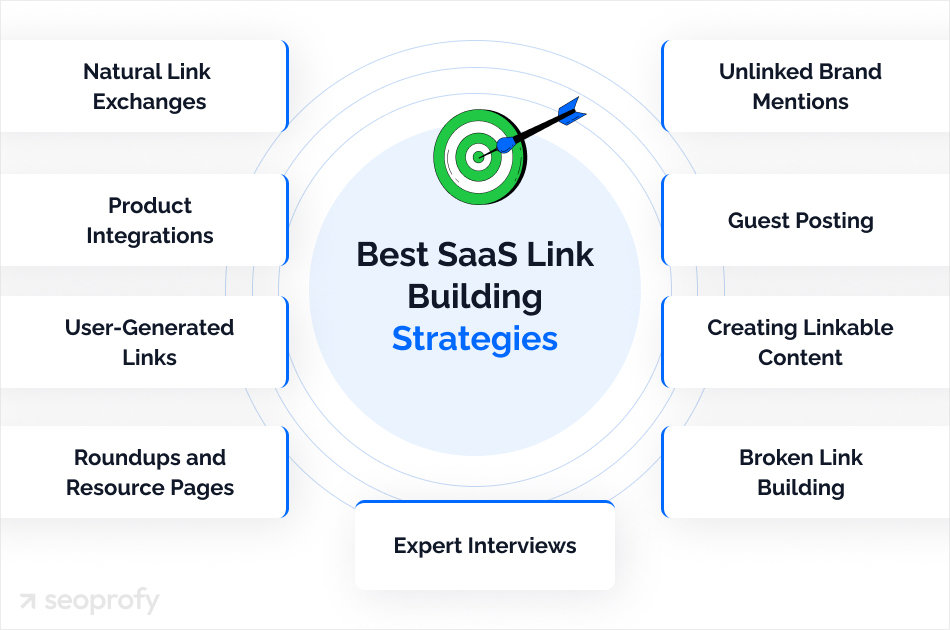
1. Unlinked Brand Mentions
Unlinked brand mentions are instances in which your brand, product, or team members are referenced on third-party sites without an active link. Every mention like this is a ready-made backlink opportunity — and one of the more efficient link building tactics for SaaS.
You skip the hardest part of outreach: the author already knows your brand. There is no need to explain who you are or why your company is worth linking to. That usually gives you a better chance of getting a response than cold outreach.
A real example is HubSpot. It has an impressive referring domain profile:
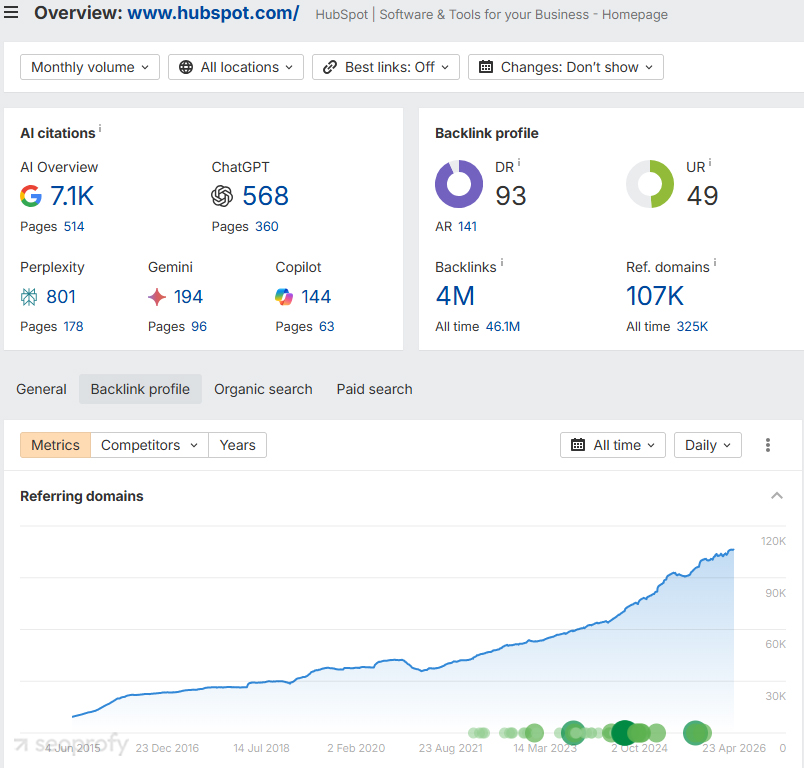
But that is only part of the picture. HubSpot also has a large number of unlinked brand mentions in Ahrefs Content Explorer:
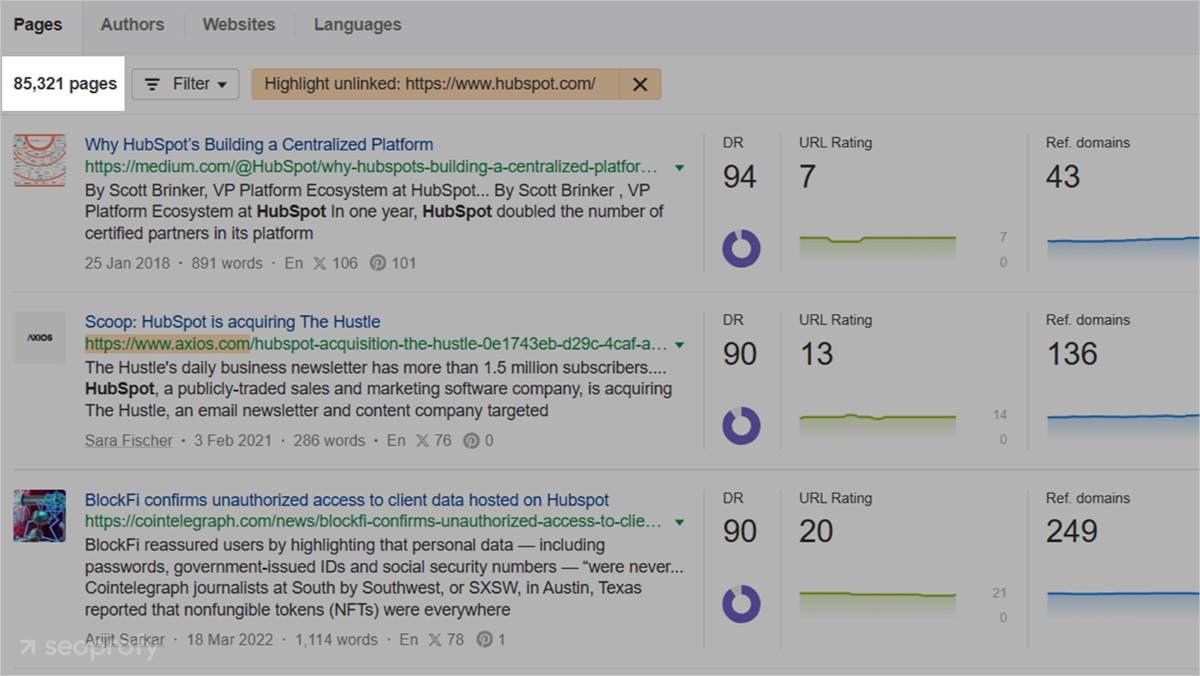
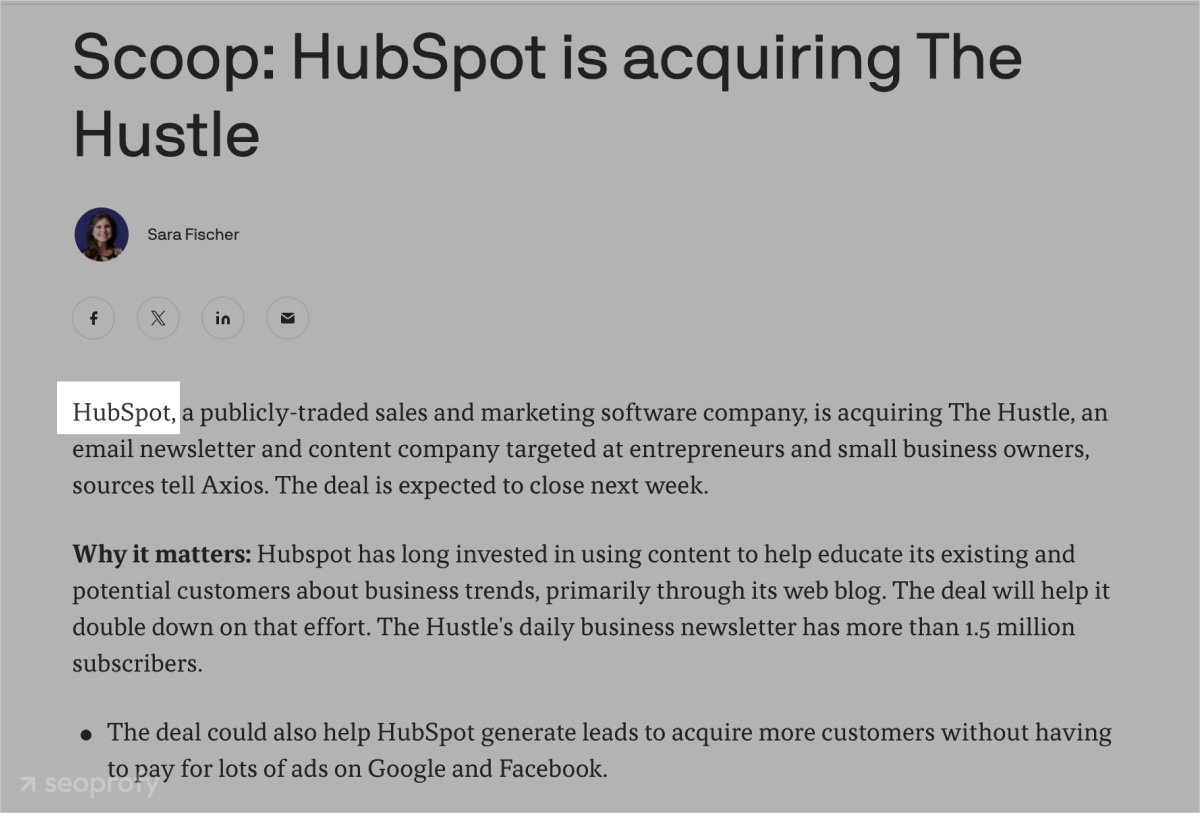
One example is this mention on Axios:
How do you find these text-only references to your brand? The easiest way is to use Ahrefs Content Explorer:
- Type in your brand name or a key product
- Add the “One page per domain” filter so you are not reviewing duplicates
- Use “Highlight unlinked domains” to exclude sites that already link to you
- If the list is still too large, sort by DR and start with the highest-authority domains
Once you apply the ‘One page per domain’ filter and exclude sites that already link to your domain, the list becomes much more actionable — and still leaves thousands of potential opportunities to review.
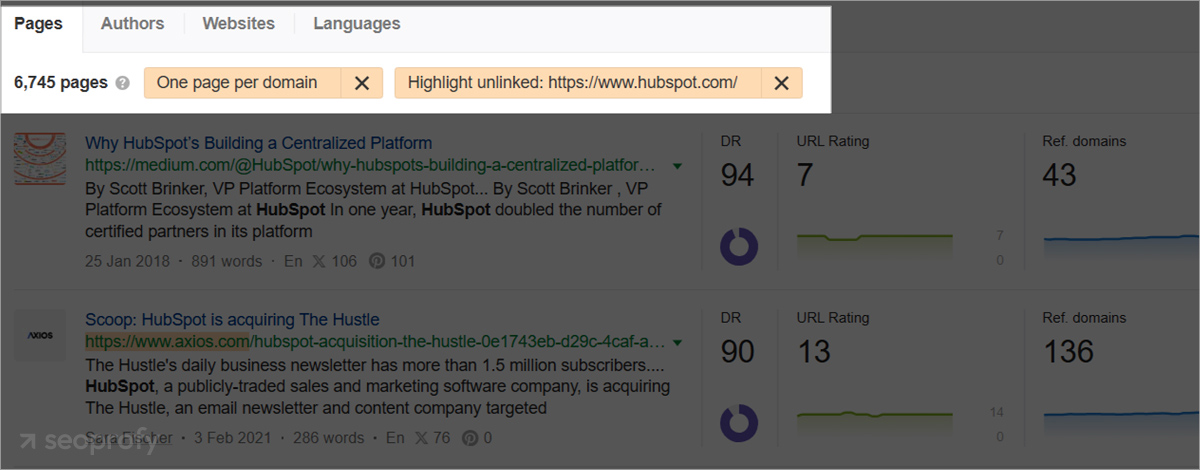
When you have your targets, find the right contact using Hunter.io or FindThatEmail. Editors and content managers are often more likely to update published content than authors. Send a short, direct message asking for the link, then follow up once after 5–7 days if you do not hear back.
This method may look free on paper, but it still takes time: finding mentions, reviewing pages, sending outreach emails, and following up. Factor that into your overall link building efforts and SEO pricing before treating it as a zero-cost channel.
2. Guest Posting
Guest posting means publishing articles on third-party sites with a backlink to your site. Unlike unlinked mentions, this method can work even for newer websites, though higher domain authority usually makes it easier to secure placements on reputable sites.
Both sides benefit: the publisher gets content tailored to its target audience and keywords, while you earn one of the high-quality backlinks that can support search engine rankings. Finding relevant sites usually comes down to two approaches.
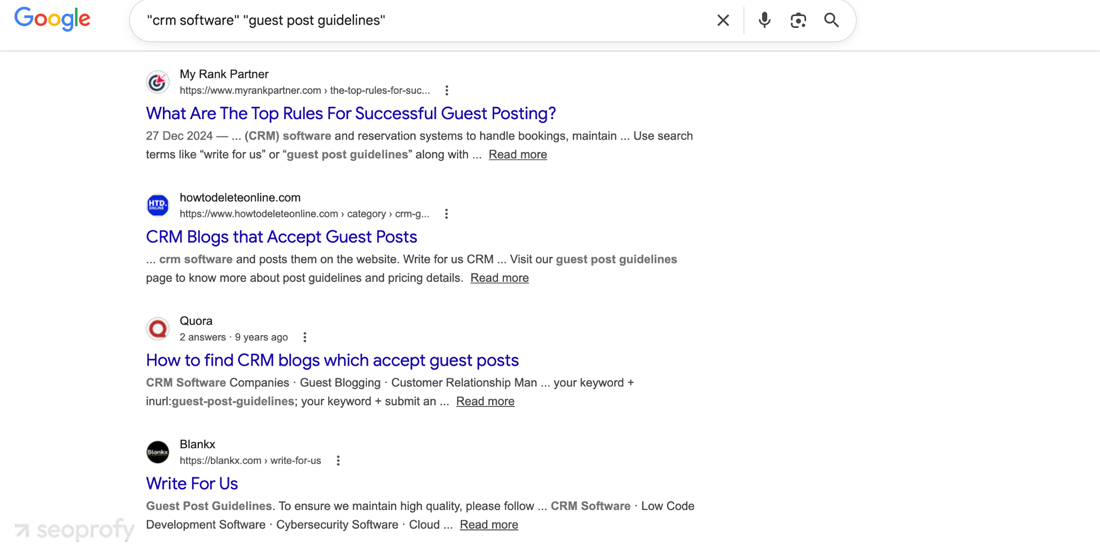
Google search operators: Search for your keyword plus phrases like “write for us,” “submit content,” or “guest post guidelines.” It helps surface relevant websites that openly accept guest contributions.
Competitor backlink analysis: In Ahrefs, enter a competitor’s domain, go to the Backlinks report, filter by DR, and look for guest posts they have already placed. Then pitch similar relevant websites with your own angle.
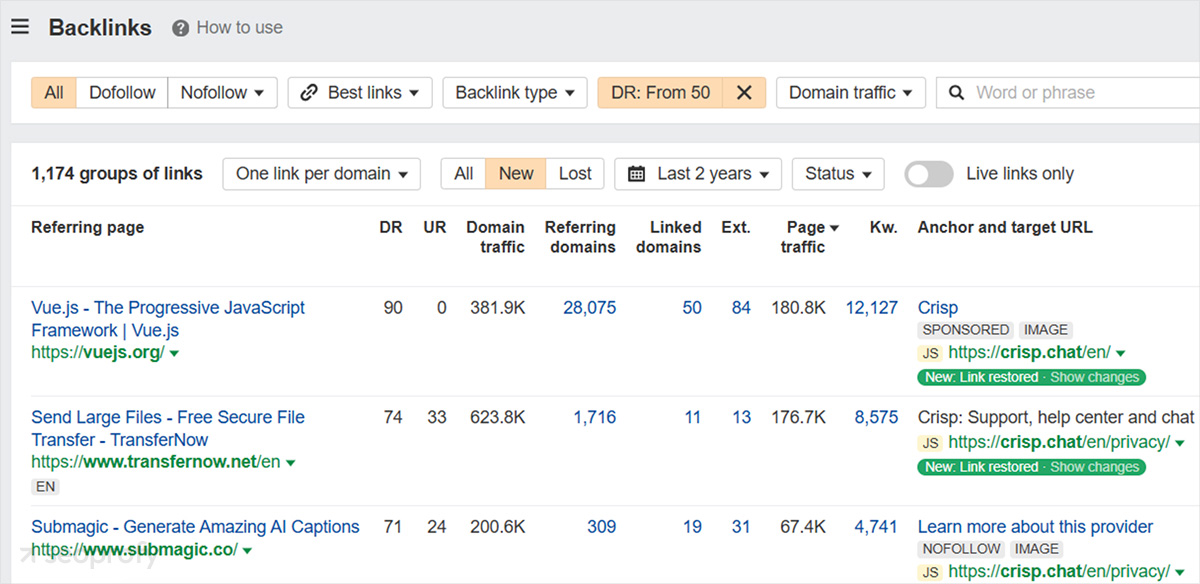
The main advantage of guest posts is control over the content, anchor text, and target URL. The downside is that placements do not always last: pages can drop out of the index, lose visibility, get updated, or be removed entirely. That is why it is smarter to spread your efforts across multiple reputable sites and link building methods.
3. Creating Linkable Content
Link-worthy content can naturally attract backlinks without constant outreach or guest posts. When done well, one strong asset can earn valuable backlinks over time and support long-term organic growth.
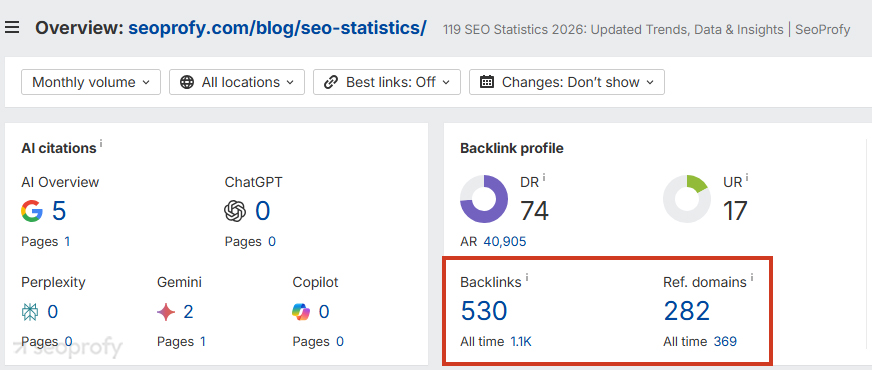
Data-driven content is one of the most reliable formats. A strong statistics page or industry report gives writers, journalists, and bloggers authoritative numbers to cite. Our SEO stats posts are a good example — they continue to earn backlinks without active outreach:
Original research works similarly. For example, this Backlinko article has built a strong backlink profile by compiling useful data from multiple sources and becoming a go-to reference across the niche. We have linked to it ourselves for the same reason: it offers valuable insights that other relevant websites can cite.
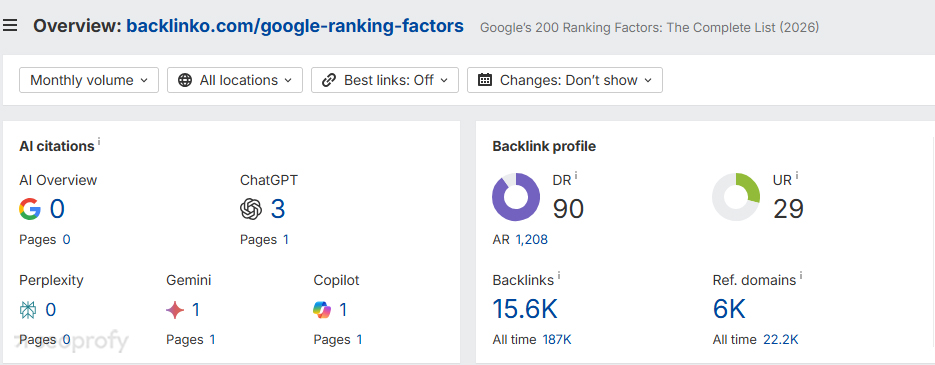
Other formats that work well in SaaS link building campaigns include:
- Case studies with specific results
- Interactive tools such as ROI calculators, checklists, or simple API-based tools
- Deep educational guides that make your site a valuable resource others want to reference
The downside is the cost. Creating content that naturally attracts backlinks takes original data, research, and depth. But once published, it can keep supporting your link building campaigns without the same level of ongoing outreach. That is also where a team offering link building services can help.
4. Broken Link Building
Broken link building means finding dead URLs on third-party sites and offering your content as a replacement. You help the site fix a real issue, and in return, you may earn contextual backlinks.
To find broken links, use the Broken Backlinks report in Ahrefs Site Explorer. Here is what it looks like for HubSpot:
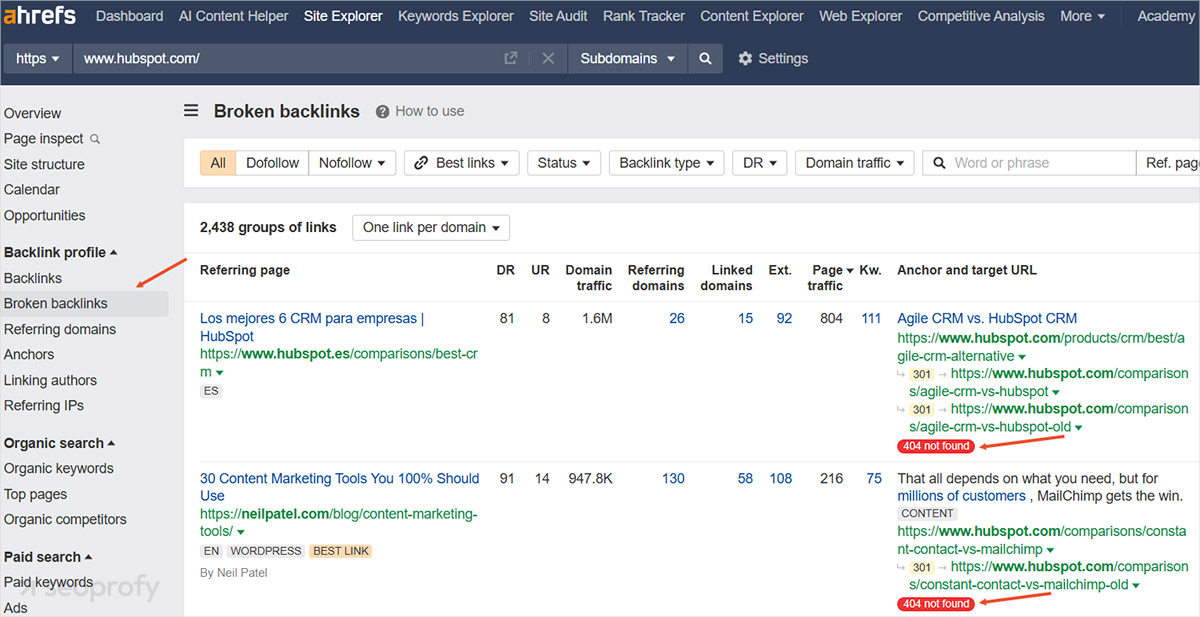
You can also use the Check My Links Chrome extension to scan pages for dead URLs. Once you identify broken links, reach out to the website owner, explain the issue, and suggest your page as a relevant replacement.
One thing to consider: many SaaS founders treat this as a free method. In practice, site owners often ask for payment to replace a link, especially on high-authority or more reputable sites.
The method still works. If you find a site that genuinely cares about content quality, you can still earn high-quality backlinks without overpaying. And if you are working with an agency that offers pay-for-performance SEO services, the exact acquisition method matters less because you are paying a fixed rate per link.
5. Expert Interviews
Expert interviews are one of the most natural ways to earn authoritative backlinks for SaaS. Unlike guest posts or cold outreach, they can generate links organically when blogs, media sites, and industry platforms reference the valuable insights shared in the interview.
A good example is the interview with former Slack CEO Stewart Butterfield on The Washington Post. It attracted more than 20 backlinks and shows how a strong expert-led piece can earn attention beyond the original publication.
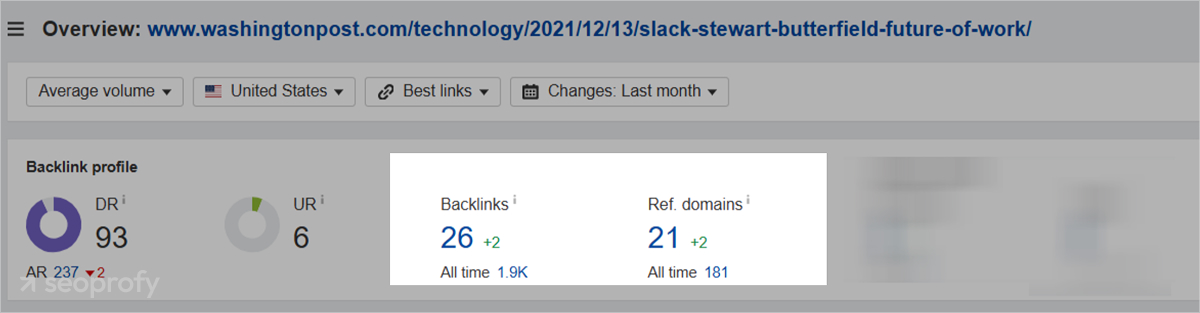
To find the right experts, look at who gets cited regularly in niche SaaS blogs, media, and conference lineups. Active LinkedIn creators in your space can also be strong candidates.
The main challenge is choosing someone with a real audience and clear expertise. Without that, the interview is less likely to generate referral traffic or relevant backlinks. It also takes time to prepare strong questions and shape the final piece well. But a solid interview can keep earning links long after publication, without the same level of ongoing outreach.
6. Roundups and Resource Pages
Roundups such as “10 Best Tools for Email Marketing” and resource pages like “Resources for SaaS Startups” are among the most consistent sources of relevant backlinks, especially in the SaaS niche, where tool recommendations and reviews are published constantly.
Getting listed brings more than just a backlink. It can also drive targeted traffic from people already comparing options and looking for a tool like yours.
There are two main ways to find these pages:
- Google operators: Search for your category plus phrases like “top tools,” “best software,” or “resources.” It helps surface roundups and resource pages already ranking in your niche.
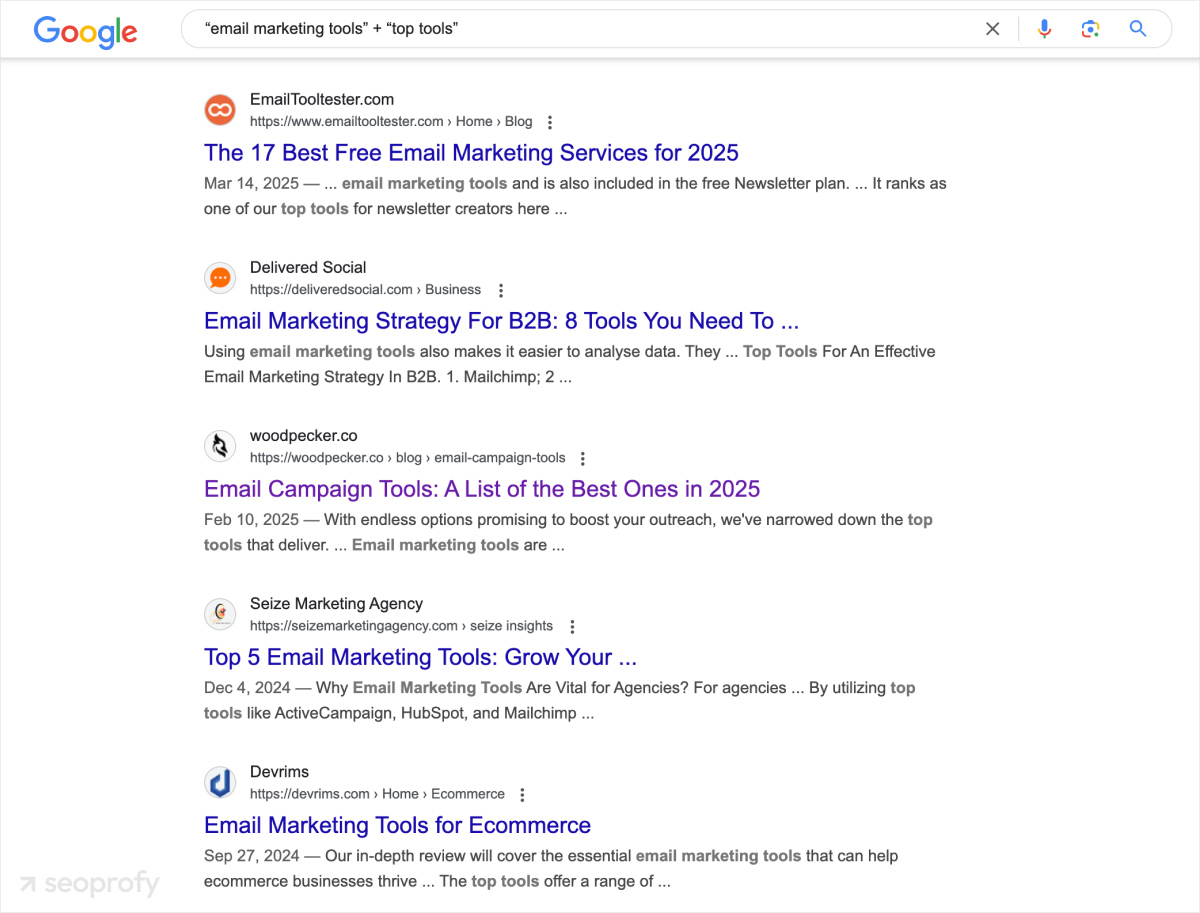
- Competitor backlink analysis: In Ahrefs, enter a competitor’s domain, go to Backlinks, and filter by words in the URL or title such as “tools,” “resources,” “top,” or “best.” It helps you spot patterns in where competitors are getting listed.
Once you find relevant sites, reach out to the website owner and explain why your product belongs on the list and how it solves a problem for their audience. This method takes patience, but it can be especially effective in this space, where roundup posts and SaaS review sites play a major role in discovery.
7. User-Generated Links
User-generated links are backlinks that appear in forums, Q&A platforms like Quora and Reddit, directories, blog comments, and community discussions. In SaaS SEO, they usually work best as a supporting tactic rather than a primary source of links.
On their own, they are unlikely to improve your domain rating. Most are nofollow and pass limited SEO value. Still, they can help diversify your backlink profile, support the discovery of new pages, and occasionally drive targeted traffic from engaged communities.
They are most useful in the early stages, before stronger editorial links begin to come in. The key is relevance. Links placed in real discussions about your category, niche forums, or competitor alternatives are far more useful than links dropped without context.
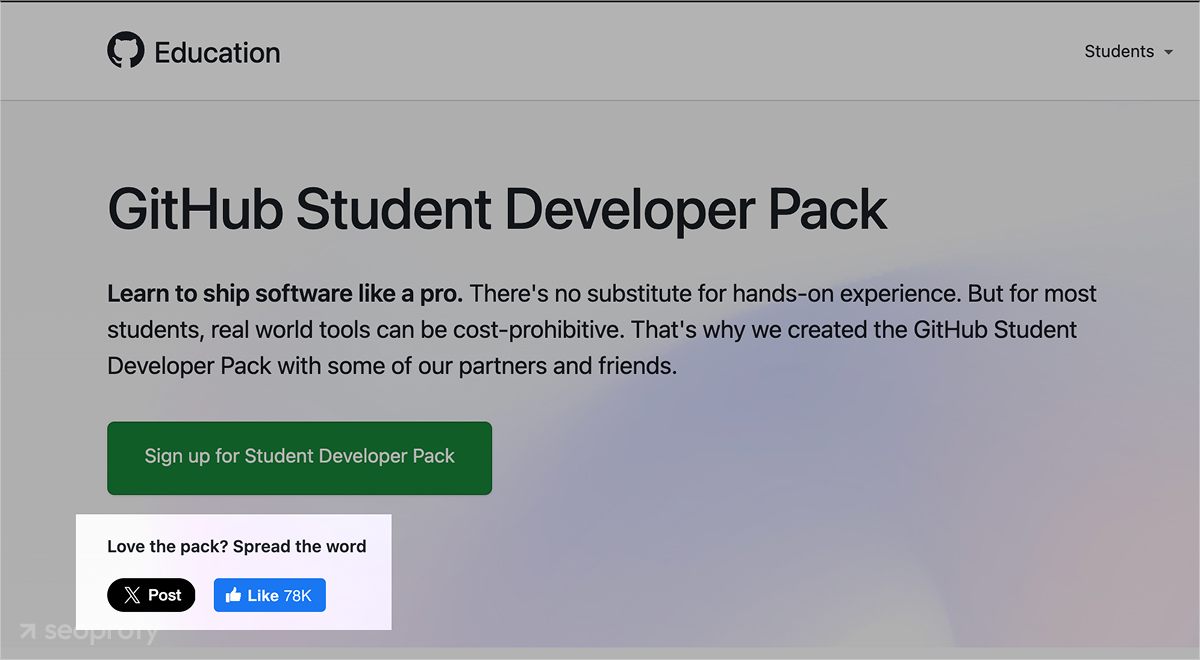
When developing an SEO strategy, think about how to make these references easier to create naturally. If you publish reports, research, or interactive tools, add share buttons or other simple sharing elements. The easier your content is to reference, the more likely it is to naturally attract backlinks over time.
8. Product Integrations
Some links simply diversify your profile. Others can have a stronger impact on visibility and rankings. Integration partnerships often fall into the second category and remain one of the more underused link building strategies in the SaaS space.
When your product connects with another platform, you can earn contextual backlinks from documentation, integrations pages, co-written guides, and API references. These links tend to be highly relevant, stay live for a long time, and appear in contexts that make sense to both users and search engines.
One variation of this model is education access programs. SaaS companies that offer free access to students and teachers can earn authoritative backlinks from university and college domains. Figma is a strong example: its education program has earned backlinks from multiple high-authority .edu sites.
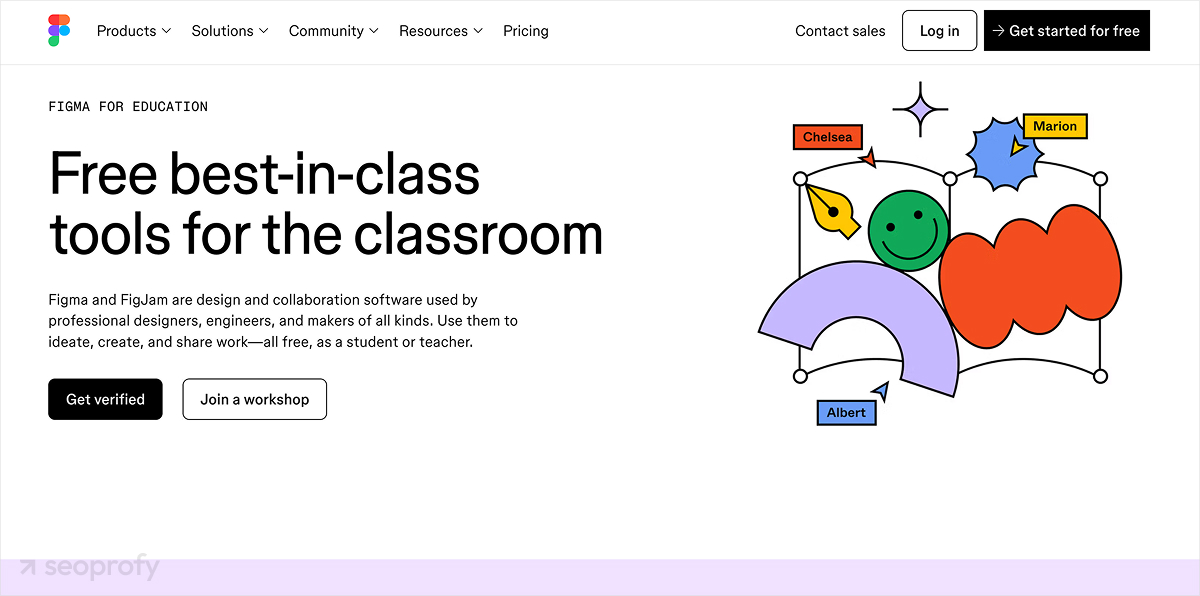
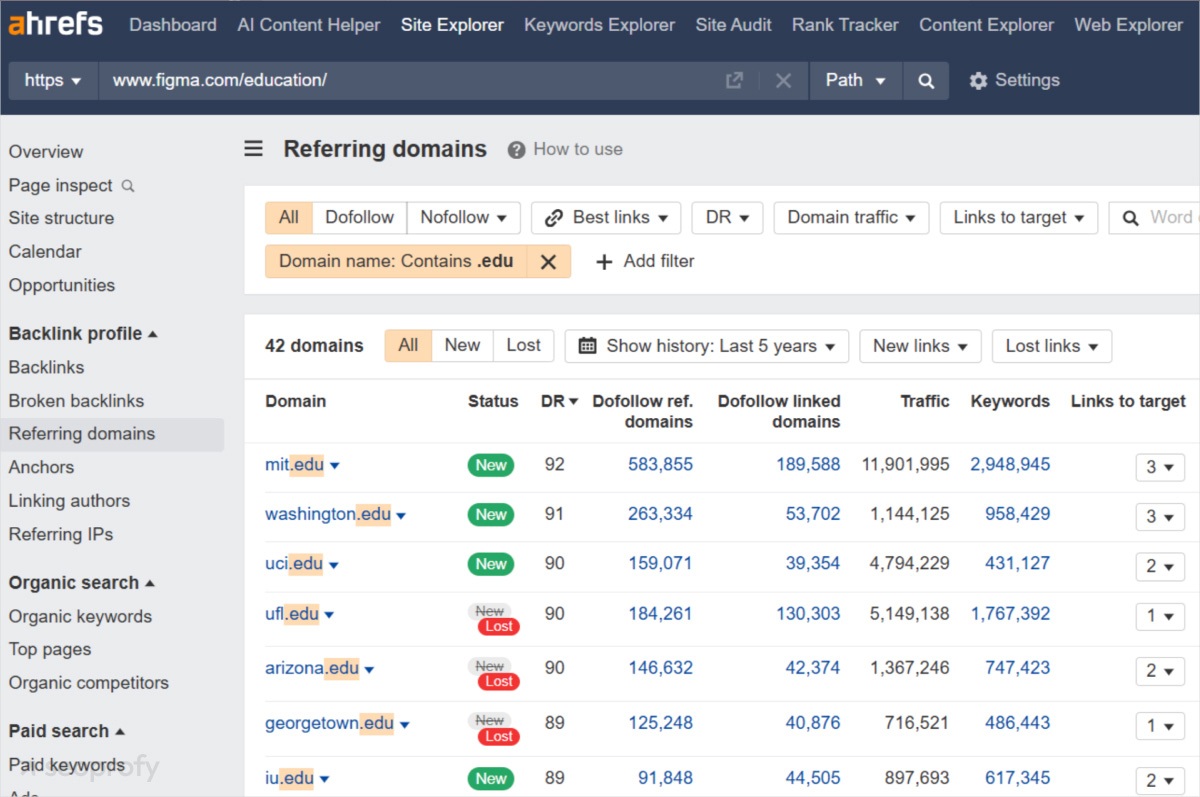
Educational programs are not launched solely for SEO goals. They can also support product adoption, brand awareness, and long-term audience growth. But from a link building for SaaS perspective, they also show how partnerships can earn durable, relevant backlinks.
Education is only one channel. If your product integrates with other services, look for opportunities such as mentions on integrations pages, co-written guides, product documentation, and API instructions. These are the kinds of authoritative backlinks that can support long-term visibility while staying relevant to your target audience.
9. Digital PR
Digital PR is the process of earning backlinks by getting your brand, data, or expertise featured in online publications, industry media, and niche blogs. Unlike standard outreach, digital PR focuses on building real online visibility, with links appearing as a byproduct of editorial coverage.
For most SaaS companies, digital PR works best through four formats:
- Original research and data: Publish a study, survey, or one of your own industry reports with numbers others can cite. Journalists and bloggers actively look for reliable data, and strong assets like these can naturally attract backlinks from authoritative sites.
- Expert commentary: Respond to journalist requests on platforms like HARO, Qwoted, or Prowly. A well-placed quote in a trusted publication can earn one of the authoritative backlinks that would be difficult to get through cold outreach alone.
- Newsjacking: When a relevant industry story breaks, offer journalists a fast, useful perspective from your team. Timely commentary can lead to relevant backlinks and brand mentions in publications already covering your niche.
- Data-driven press releases: If your product reaches a meaningful milestone or you publish original research, a targeted press release to niche SaaS media can help generate multiple mentions and backlinks from reputable sites.
Digital PR usually takes more effort than standard link building campaigns. Still, it can yield different results: stronger referral traffic, broader online visibility, and links from publications your audience already trusts.
3 Examples of Great SaaS Link Building Strategies
Real examples make the point better than theory. Here are three SaaS companies that made backlink acquisition a core part of their growth strategy.
HubSpot
HubSpot is one of the strongest examples of content-driven link building at scale. Its blog consistently publishes in-depth guides, original research, and data-driven content that other sites regularly reference. The result is one of the strongest backlink profiles in the SaaS space:
ClickUp
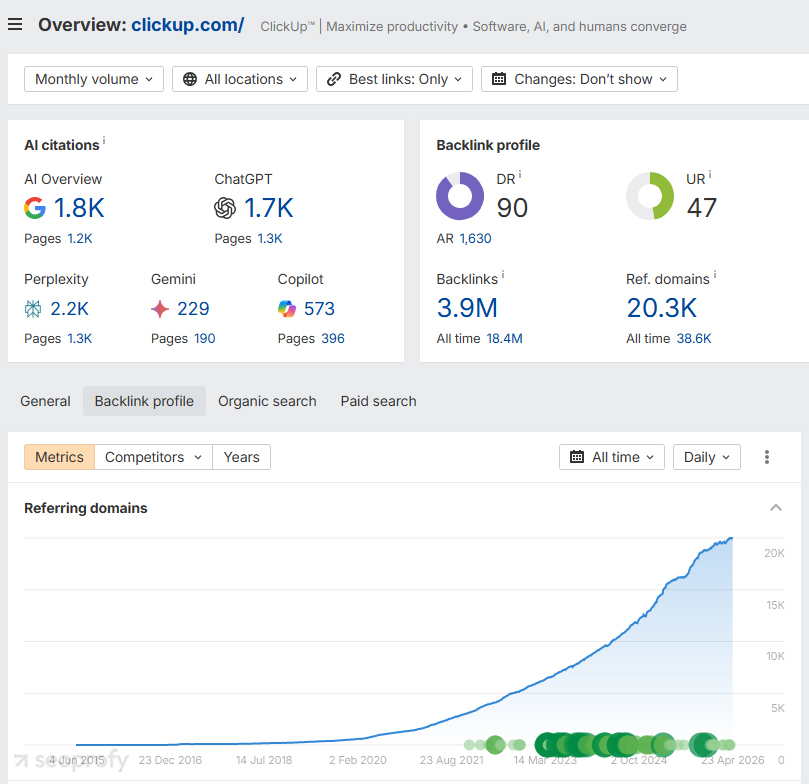
ClickUp combines content scale with a smart comparison page strategy. Its guides on productivity and project management appear consistently in roundups, while pages like “ClickUp vs Asana” and “ClickUp vs Notion” attract backlinks from bloggers and SaaS review sites covering the competitive landscape.
On top of that, the company builds integration partnerships that help it earn contextual backlinks from other platforms’ documentation and product pages. This mix of comparison content, educational resources, and partnerships creates more opportunities for valuable backlinks over time.
Userpilot
Userpilot built its link strategy around a focused niche — product experience and user onboarding — and has established strong topical authority in that space. Its blog targets a B2B audience with practical content, including guides, comparison posts, and UI examples that relevant websites in the product and growth space often reference. This approach closely aligns with broader B2B SaaS SEO goals.
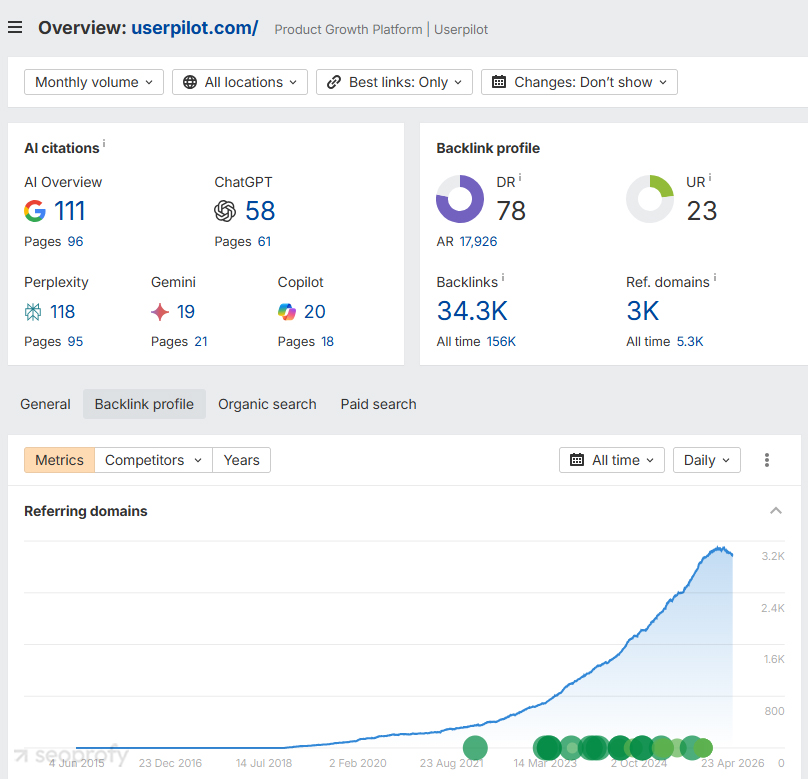
The company also runs an active guest posting program. Much of it is driven by Emilia Korczynska, Userpilot’s Head of Content, who regularly publishes on external platforms, leads outreach, and helps build domain authority beyond the company’s own site:

How to Measure SaaS Link Building Success
Link building for SaaS is a long-term investment, so it needs proper tracking. Below are six metrics for measuring SEO performance that actually matter when evaluating whether your link building efforts are paying off.
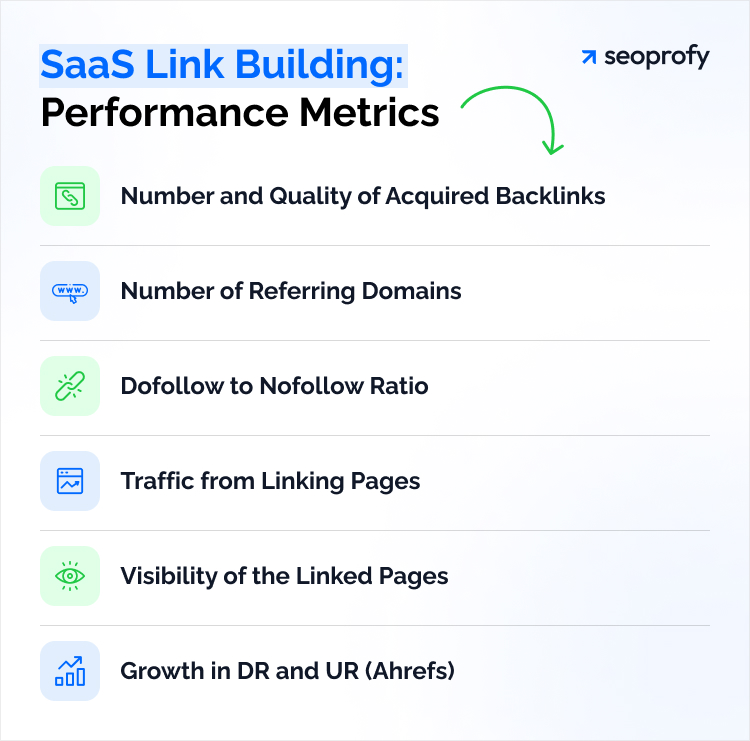
Number and Quality of Acquired Backlinks
Track how many quality backlinks you acquire over time, but always weigh them by relevance and domain authority. A DR 50+ link from a niche SaaS site can outperform a DR 80 link from a generic domain.
Also check contextual placement: links in the body of an article usually carry more weight than those in footers or sidebars. Monitor anchor text diversity as well — a healthy profile mixes branded, generic, and keyword-rich anchors naturally. Over time, the goal is not just more links, but more high-quality links that support stronger rankings.
Number of Referring Domains
Unique linking domains are a more reliable signal than total backlink count. Ten links from one site still count as a single source in Google’s eyes. Track domain growth monthly in Ahrefs (Referring Domains report), Semrush (Backlink Analytics), or Google Search Console. Growing this number consistently is a core focus of SaaS SEO services.
Dofollow to Nofollow Ratio
A healthy backlink profile is often closer to a 70/30 split in favor of dofollow links. Too many nofollow links limit the transfer of authority, while a profile composed almost entirely of dofollow links can look manipulative to search engines. That is why this ratio should be checked regularly as part of backlink audits.
If the profile looks unnatural or overloaded with low-value links, review how cleanup was handled in our SaaS SEO case studies. Audit the ratio in Ahrefs (Backlinks tab → filter by link type) or use the NoFollow Chrome Extension.
Traffic from Linking Pages
A backlink from a dead page has little real value. For every link you acquire, check whether the linking page actually gets organic traffic — open the URL in Ahrefs Site Explorer and review the Organic Keywords tab. Links from pages with real audiences can drive both SEO value and referral traffic, while also helping bring more organic traffic to the pages you are promoting.
Visibility of the Linked Pages
Track rankings for the full keyword cluster around each page in your link building campaign, not just one target keyword. Use SEO tools such as Ahrefs, Semrush Position Tracking, or Google Search Console. Consistent upward movement over two to three months is a strong sign that your campaign is working and contributing to improved search engine rankings.
Growth in DR and UR (Ahrefs)
DR and UR are not direct Google signals, but they are useful proxies for backlink profile strength. DR reflects overall domain authority based on referring domains, while UR shows the strength of a specific page. Steady growth in both suggests your link building strategy is moving in the right direction, supporting sustainable growth and helping with long-term SEO growth.
How AI Is Changing SaaS Link Building
AI is changing SaaS link building in two ways: it speeds up research and outreach workflows, and it changes how visibility is earned in search. AI tools can help teams find prospects, spot unlinked mentions, and flag lost links faster, but they also raise the bar for everyone. That makes stronger content creation, differentiated assets, and real editorial relationships more important.
For SaaS companies, high-quality links still support search engine rankings, but they also strengthen visibility in AI-assisted search. That means a modern link building strategy should simultaneously support improved search engine rankings, increased organic traffic, and stronger brand visibility.
In 2026, backlinks still matter for long-term SEO growth, but so do brand mentions, expert commentary, and digital PR. For most SaaS companies, that creates a real competitive advantage: links from reputable sites help build trust, strengthen authority, and keep driving organic traffic over time.
How to Calculate ROI from Link Building
Calculating SEO ROI from link building is harder than in paid advertising because results take time, and attribution is not always direct. But it is still measurable. Start with this formula:
ROI = (Revenue growth from organic traffic – Link building costs) / Link building costs × 100%
To get accurate numbers:
- Identify the target pages you have been building links to
- Count the new leads or potential customers generated by organic traffic to those pages
- Estimate average deal size or customer LTV
- Factor in all costs, including link builders, copywriters, and placement fees
One benchmark worth keeping in mind is that SEO can deliver strong, long-term returns in B2B SaaS, according to recent SaaS marketing statistics.
A solid link building strategy focused on the right pages — product pages, comparison pages, high-intent blog content — can become a major driver of SaaS lead generation over time. The earlier you start building for SaaS, the more that value compounds.
Create Your SaaS Link Building Strategy Today
SaaS is not the toughest niche for link building, but it is far from easy. Most valuable organic traffic goes to established names. For most SaaS companies entering competitive spaces, outreach without a known domain or a strong content strategy often gets ignored.
The answer is not to repeat the same tactics harder. The better move is to launch a strategic link building program with the right team. Whether you work with an in-house team or a link building agency, the key is to build a consistent process — one that targets reputable websites, leverages relevant resources as linkable assets, and scales over time. The companies that see real results usually work with specialists who understand not only link acquisition, but also what matters for generating leads for SaaS.
At SeoProfy, our outsource SEO team helps SaaS businesses earn high-quality links from authoritative sites with clear metrics, transparent reporting, and a focus on sustainable growth and SEO value — rather than private blog networks or other shortcuts.

Julia Lubianytska is a Copywriting Team Lead at SeoProfy with over 7 years of experience in copywriting and editing. She works closely with copywriting teams, helping writers craft clear and thoughtful content for SaaS products, IT services, and businesses in the legal and medical fields. Julia enjoys turning complex topics into easy-to-understand, trustworthy content, focusing on structure, clarity, and consistency to ensure the content is genuinely helpful for real people, not just search engines.