SEO Website Migration Services
- Prevent redirect and crawlability issues before launch
- Protect rankings, traffic, and revenue-driving pages
- Launch with validated tracking and SEO-safe site architecture


We enjoyed their quick feedback and personal approach very much.







SEO migration services that protect your rankings
Changing domains, CMSs, URLs, templates, or site architecture can affect how search engines crawl, index, and rank your pages. Our team plans each migration process around redirect mapping, metadata preservation, internal links, canonical tags, and analytics tracking.
This helps search engines understand the new site structure while preserving rankings, traffic, and organic search performance for priority pages. As a strategic SEO company, SeoProfy manages migration as an SEO-controlled transition with clear checks before, during, and after release.
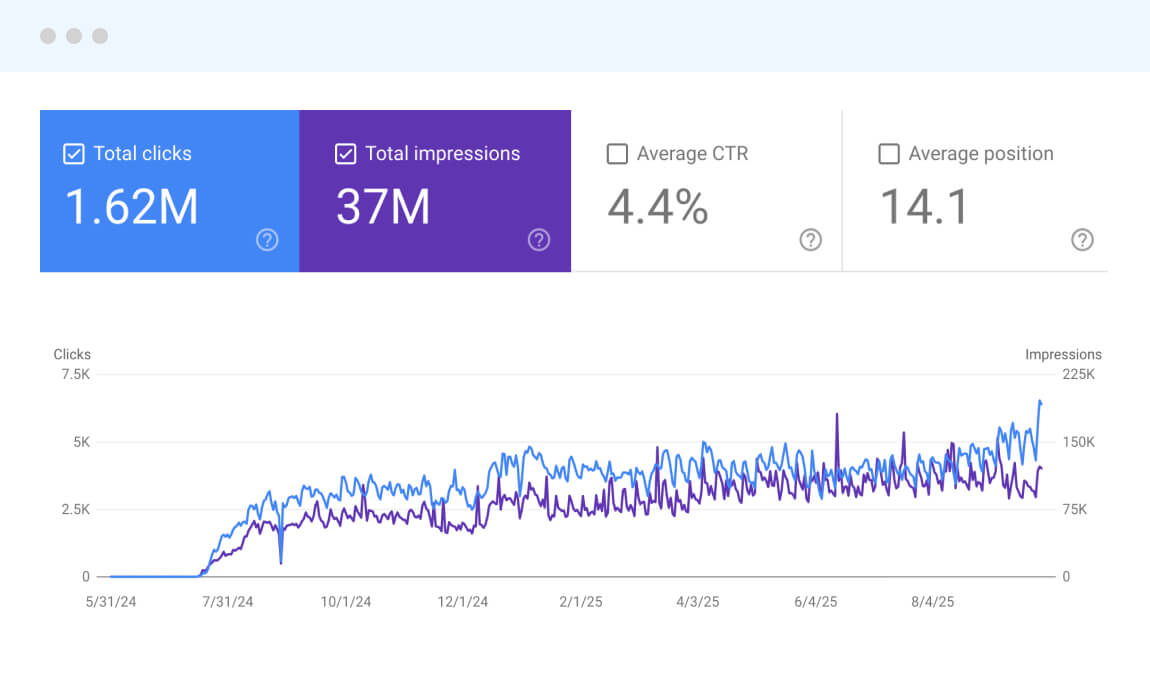
Increased traffic
after website migration

Critical SEO risks during website migration
A site move can quickly become an SEO issue if redirects, internal links, canonical tags, and priority pages are not mapped before launch. Search engines may crawl outdated URLs, miss important pages, or treat migrated content as duplicated or orphaned.
Our migration planning focuses on the technical factors that preserve organic visibility during site changes: redirect validation, indexation checks, metadata retention, analytics continuity, and post-launch monitoring. It gives your web development team a clear SEO framework before changes go live, instead of trying to fix ranking drops after the damage is visible.
- Redirect gaps and ranking signal loss
- Crawlability and indexing issues after launch
- Traffic drops from weak migration planning

SEO website migration services backed by data & planning





A successful migration needs more than a technical checklist. SeoProfy builds a migration strategy around business value, not only technical tasks. We identify pages that drive rankings, leads, revenue, backlinks, and conversions, then preserve their value through redirect mapping, metadata preservation, canonical checks, internal links, and tracking requirements. This helps your team move to a new website without having to guess what matters most.
Our SEO team guides migration work with data from Google Search Console, Google Analytics, crawl reports, keyword rankings, backlink analysis, and landing page performance. We use this data to decide which URLs should be preserved, consolidated, redirected, or rebuilt. This keeps migration decisions tied to rankings, traffic stability, and pages that drive leads or revenue after launch.
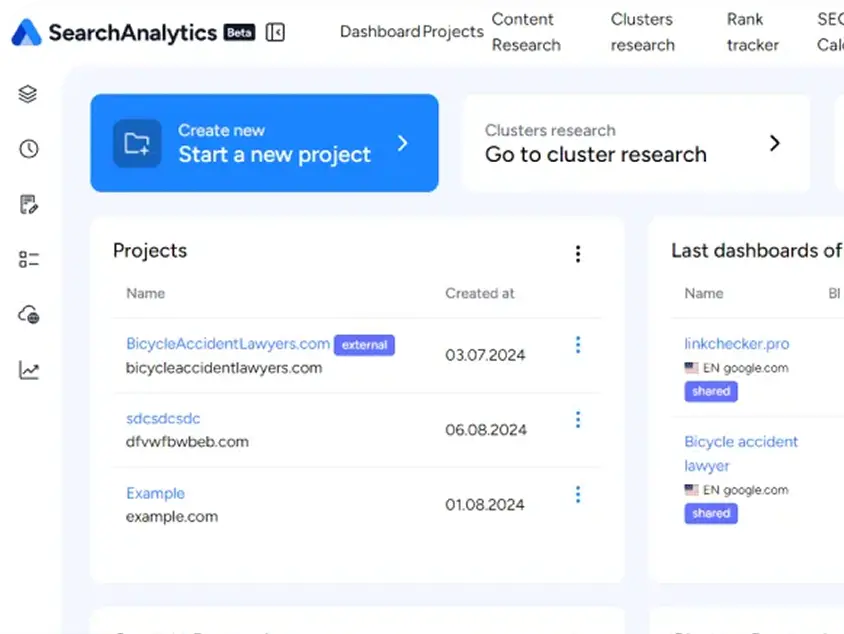
SeoProfy uses proprietary tools, including SearchAnalytics, to support complex SEO migration services across large and technically demanding websites. Our team compares old and new URL structures, validates redirect logic, monitors indexation, and detects crawlability issues before launch. This helps prevent traffic losses caused by broken redirects, missing pages, or incorrect technical implementation.
You get a clear workflow before, during, and after launch. We document SEO requirements, coordinate with your web development team, review the staging site, and closely monitor post-launch data. Our team tracks crawl errors, redirect issues, indexation changes, and ranking volatility after launch to identify problems before they affect organic traffic.
Complex migrations often involve domain changes, CMS migrations, redesigns, JavaScript framework changes, URL restructuring, content migration, and large-scale redirect logic. Our team combines technical SEO expertise with clear business priorities. We help the new site launch with cleaner architecture, stronger crawlability, and fewer long-term SEO risks. SeoProfy works as a strategic SEO partner, not just a post-launch troubleshooting team.

SeoProfy team knows what they’re doing and they definitely care.

Trusted technical SEO for high-stakes website changes
Recognized by leading industry platforms, SeoProfy’s SEO services combine technical depth, clear planning, and post-launch monitoring to help brands migrate sites with lower SEO risk.






Website migration services we provide
SeoProfy helps plan complex site changes where rankings, web traffic, and revenue cannot be left to chance.

Domain migrations
Changing domains can affect backlinks, branded search visibility, indexation, and ranking signals. If the move is not planned correctly, search engines may treat important pages as new, orphaned, or missing.
We audit the current domain, map valuable URLs, preserve metadata, and prepare redirect rules so search engines and users reach the right pages after launch.

CMS migrations
Moving to a new content management system can change templates, URLs, metadata, internal links, and crawl behavior. Even small platform differences can affect how priority pages are crawled, indexed, and ranked.
Our migration work includes CMS analysis, staging checks, content mapping, and technical QA. We also review template changes, metadata rules, URL behavior, internal linking, and other SEO factors.

Server & hosting migrations
Hosting changes can affect uptime, crawlability, server response times, and overall site stability. Slow response times, SSL issues, or server errors can quickly create technical SEO problems after launch.
Our site migration service includes pre-launch validation, SSL checks, server response testing, and post-launch monitoring to reduce downtime and maintain organic traffic.

Website redesign migrations
A redesign can improve UX, but it can also damage rankings when content, links, headings, or templates change without SEO control. Visual updates should not remove signals that already help pages perform.
Our SEO website migration support reviews the staging site, compares old and new pages, and helps developers preserve the signals that already drive performance.

URL structure migrations
Changing URL structure is risky because search engines already connect existing pages with rankings, backlinks, and user behavior. Poor redirect logic can create redirect gaps, duplicate signals, and ranking volatility.
Our team creates redirect maps, updates internal links, checks canonical tags, and monitors indexation to ensure the new structure supports users, crawlers, and long-term organic performance.

JavaScript & framework migrations
Framework changes can affect how search engines render content, follow links, and discover important pages. If key content or links are hard to access, the new frontend can hurt visibility after launch.
Our web migration services include crawl testing, rendering checks, internal link review, structured data validation, and developer recommendations to keep the new frontend fast, crawlable, and SEO-safe.
Work with a website migration expert
A migration expert helps your team avoid the mistakes that often occur when SEO, development, analytics, and content change separately. SeoProfy acts as an SEO migration agency that connects technical SEO with business priorities, so developers know which URLs, pages, redirects, and tracking points matter most before launch.
Our team reviews the staging site, checks crawlability, validates redirects, updates internal links, and monitors post-launch performance to preserve rankings and revenue-focused pages while keeping the whole transition clear for marketing, product, and development teams.






Our SEO results from a complex migration
xTiles, a productivity and workspace SaaS platform, partnered with SeoProfy to clean up low-quality UGC signals and prepare for a Webflow-to-WordPress migration. The website migration project focused on removing low-value pages, protecting priority URLs, improving keyword visibility, and supporting a cleaner technical setup before launch.
Growth in Top-3 keyword rankings
Growth in high-quality referring domains
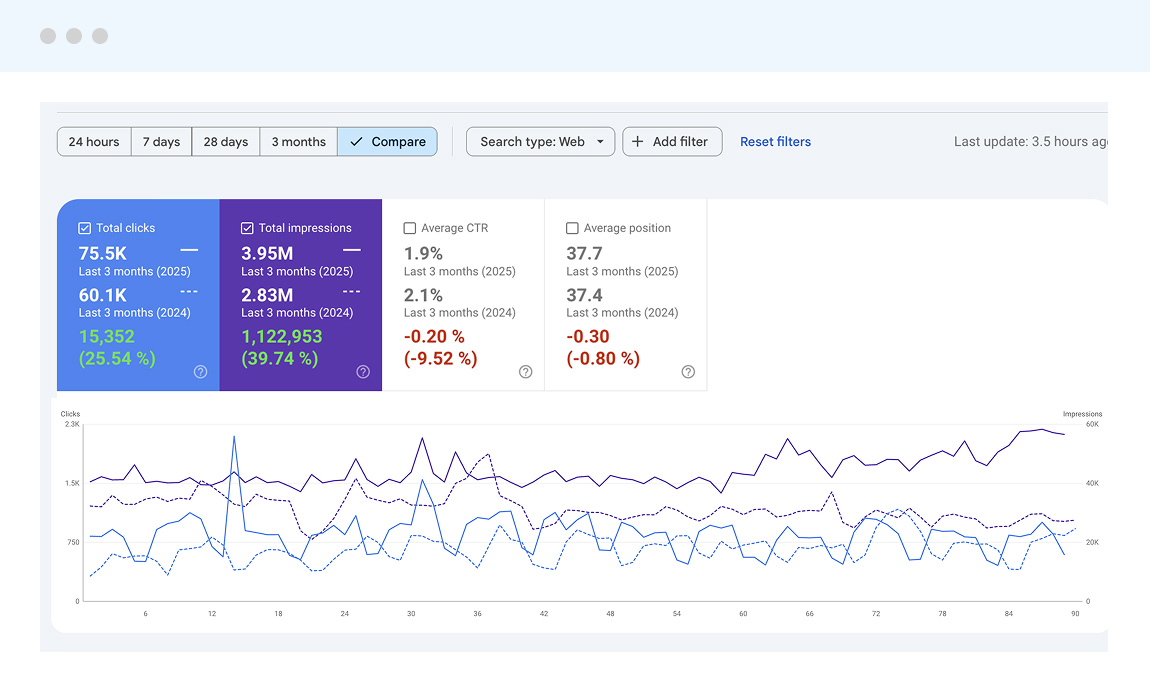
A large ecommerce retailer in the fishing and hunting niche partnered with SeoProfy to migrate a website with over 1 million pages to a new domain. The project focused on precise redirect mapping, technical preparation, and content optimization to protect existing rankings and drive long-term growth.
Organic traffic growth (12 months)
Growth in Top-3 keyword rankings
Client stories from high-stakes migrations
Read more reviewsSeoProfy makes complex SEO projects easier to manage with clear priorities, fast communication, and structured technical guidance. Teams get the support they need before, during, and after major website changes.

SeoProfy team knows what they’re doing and they definitely care.
SeoProfy team didn’t just follow one simple plan, but when things needed to change — they adapted quickly. They came up with new ideas and always looked for the best opportunities for our product’s growth.


We enjoyed their quick feedback and personal approach very much.
Thanks to SeoProfy’s efforts, our keyword rankings improved significantly. The team fostered a smooth workflow by being very responsive — they were always quick to provide feedback. Also, they delivered quality services at a budget-friendly price.


The team was professional and highly knowledgeable.
SeoProfy helped us receive more impressions, visits, and leads — plus, the results were 25% higher than expected. Our website started ranking higher in search results, which brought in more traffic and conversions. Overall, the team was professional, knowledgeable, and highly responsive.

- High-Quality Work (13)
- Professional (19)
- Communicative (31)
- Unique Expertise (8)
Get a custom website migration roadmap
Get a clear migration proposal that includes the audits, fixes, safeguards, and monitoring priorities your team needs, so the new site goes live safely and on schedule.
- Priority SEO risks and technical checks
- Redirect, URL, and content safeguard plan
- Post-launch monitoring and performance priorities
Our SEO website migration process
We start each website migration SEO service by auditing the current site, priority URLs, templates, metadata, sitemaps, robots.txt, analytics setup, and internal links. The output is a clear checklist for developers, content owners, and SEO experts to follow before technical work begins.
Once changes move to staging, we review redirect rules, new URL logic, page templates, canonical tags, metadata, and tracking setup. This helps catch risks related to crawlability, rendering, and indexation before release.
Before go-live, we crawl the staging site, compare old and new URLs, validate redirects, and check Google Search Console and Google Analytics settings. This step helps confirm that critical SEO elements are ready.
We prioritize broken redirects, 404 pages, missing metadata, noindex conflicts, duplicate canonicals, blocked pages, broken links, and tracking issues. Each fix is documented so your team understands what changed and why.
After release, we check whether search engines can reach updated pages, review sitemaps, monitor crawl errors, track keyword rankings, and watch early performance signals. This is where SEO-controlled migration support proves its value: issues are detected early, not weeks later.
SEO tools for safer website changes
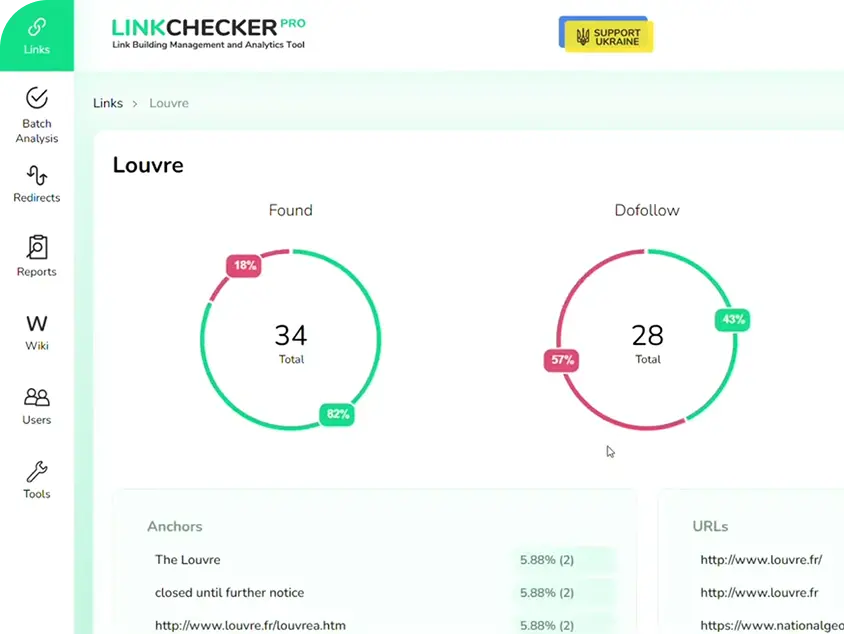
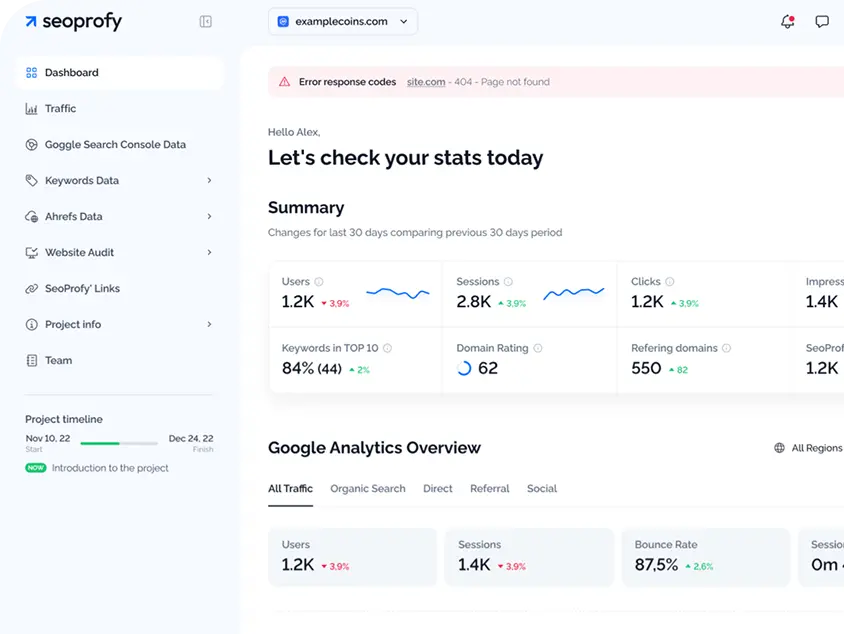
As a website migration agency, we use SearchAnalytics, crawl data, Google Search Console, Google Analytics, and LinkChecker.pro to find risks that standard checks can miss.
Our tools help compare old and new URLs, review redirects, detect broken paths, validate tracking, and monitor technical signals after launch, so your team can fix issues before they affect performance.






We handle migrations across leading CMS and ecommerce platforms
Our website migration SEO services support complex moves across WordPress, Shopify, WooCommerce, Magento, BigCommerce, Webflow, HubSpot, Drupal, Wix, and custom stacks. For online stores, we also review product pages, category templates, faceted navigation, and ecommerce SEO setup and key SEO best practices so each transition stays controlled from staging to launch.





FAQs
Migration services are professional services that help move a site to a new domain, CMS, design, or URL structure without damaging search visibility.
The work usually includes technical audits, redirect mapping, metadata checks, crawlability reviews, analytics tracking, and post-launch monitoring to ensure search engines understand the updated site and users reach the right pages.
A website migration can hurt SEO rankings when redirects fail, priority pages are blocked, metadata changes, or search engines cannot crawl the new site properly. Search engines may lose access to important pages, crawl duplicate versions of the new site, or treat migrated content as disconnected.
The risk is much lower when teams map URLs, test the staging site, validate canonicals, and monitor indexation after launch.
Migration cost depends on site size, migration type, URL changes, redirect volume, technical complexity, staging requirements, and post-launch monitoring.
A small project may need a focused audit and checklist, while a large ecommerce or SaaS move requires deeper planning, developer coordination, QA, and tracking. The safest option is to request a custom estimate before launch.
The migration takes a few weeks for smaller projects and several months for large, complex websites.
However, the timeline depends on site size, platform complexity, URL changes, redirect volume, and QA needs before launch. Large ecommerce, SaaS, or multi-language sites usually require more planning, staging checks, fixes, and post-launch monitoring.
Website migration can improve SEO performance when it fixes technical problems, not just moves pages to a new setup.
A well-planned migration can improve site architecture, page speed, mobile usability, crawlability, URL logic, redirects, and content structure. It can also remove low-value pages and make priority pages easier for search engines to understand.
The most important steps are auditing the current site, mapping old URLs to new URLs, preparing redirects, checking metadata and canonicals, testing the staging site, validating tracking, and monitoring performance after launch.
Teams should also review crawlability, indexation, broken pages, and priority landing pages before the new site goes live.
Move your site without guesswork
Launch with a clear plan, technical checks, and post-release monitoring from an SEO team. Get a roadmap that helps protect rankings, traffic, and revenue before the new site goes live.
More SEO services to support your growth
Search is shifting fast. AI answers grab attention — and take your traffic. Get a strategy that keeps your business visible where people actually search now.
- Learn where you’re losing AI visibility
- Strengthen pages AI engines rely on
- Grow visibility across modern AI search